Introduction
Proper waste management is one of the most important responsibilities of modern society. As populations grow and industries expand, the amount of waste generated every day continues to increase. Without responsible disposal methods, waste can pollute land, water, and air while threatening public health and wildlife. Effective waste removal services help communities stay clean, reduce environmental damage, and promote sustainable living. By adopting responsible waste management practices, individuals, businesses, and local authorities can work together to create healthier neighborhoods and a greener future.
Understanding the Importance of Waste Removal Services
Reliable Waste Removal USA services play a vital role in maintaining clean communities while reducing the harmful effects of waste on the environment. Professional waste collection, recycling, and disposal services ensure that residential, commercial, and industrial waste is managed safely and efficiently. Proper waste removal prevents illegal dumping, minimizes pollution, protects natural resources, and supports recycling efforts that reduce the amount of waste sent to landfills. These services also help communities comply with environmental regulations while encouraging responsible waste management practices.
Environmental Effects of Poor Waste Management
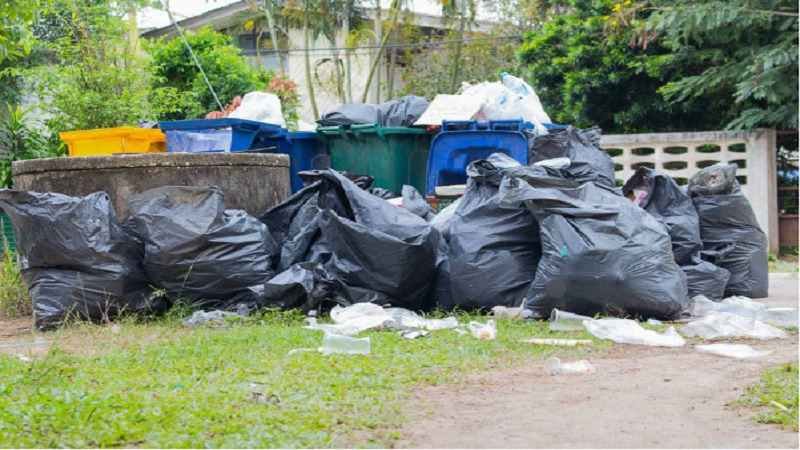
Improper waste disposal has serious consequences for the environment. When garbage is left in open areas or dumped illegally, harmful chemicals can seep into the soil and contaminate groundwater. Plastic waste often reaches rivers and oceans, where it threatens marine life and disrupts ecosystems.
Burning waste without proper controls releases harmful gases into the atmosphere, contributing to air pollution and climate change. Poor waste management also creates breeding grounds for insects and rodents, increasing the spread of diseases and affecting public health.
Addressing these problems requires efficient waste collection systems, responsible disposal methods, and greater public awareness about environmental protection.
The Benefits of Recycling and Waste Reduction
Recycling is one of the most effective ways to reduce environmental pollution. By processing materials such as paper, plastic, glass, and metal for reuse, communities can conserve natural resources while reducing energy consumption.
Some major benefits of recycling include:
Reduced landfill waste
Lower greenhouse gas emissions
Conservation of raw materials
Energy savings during manufacturing
Protection of natural habitats
Waste reduction also begins with responsible consumer habits. Purchasing reusable products, minimizing single use plastics, and properly sorting recyclable materials all contribute to a cleaner environment.
How Professional Waste Removal Supports Sustainability
Professional waste removal companies do much more than collect trash. Many organizations now focus on environmentally responsible practices that reduce landfill use and maximize recycling opportunities.
Modern waste management services often include:
Recycling collection programs
Construction debris removal
Commercial waste management
Residential junk removal
Organic waste composting
Electronic waste recycling
Hazardous waste handling
These services help divert significant amounts of waste from landfills while supporting local recycling industries and reducing environmental impact.
How Individuals Can Help Protect the Environment
Every person can contribute to better waste management through simple daily habits. Small changes in routine can have a significant impact when adopted by entire communities.
Helpful practices include:
Separate recyclable materials from household waste.
Reduce unnecessary packaging whenever possible.
Reuse containers and household items before discarding them.
Donate usable furniture and clothing instead of throwing them away.
Dispose of hazardous materials through approved collection programs.
Support local recycling initiatives and community cleanup events.
Educating family members and encouraging responsible waste disposal habits also helps build long term environmental awareness.
Innovations Transforming Modern Waste Management
Technology continues to improve waste management systems across many communities. Smart collection methods and advanced recycling technologies make waste removal more efficient while reducing operational costs.
Some recent innovations include:
Smart waste bins that monitor fill levels
GPS-optimized collection routes
Automated recycling facilities
Waste-to-energy technologies
Advanced composting systems
Artificial intelligence for waste sorting
These developments help increase recycling rates, reduce fuel consumption, and improve the overall efficiency of waste management operations.
Why Community Participation Matters
Government agencies and waste management companies cannot solve environmental challenges alone. Community participation is essential for achieving long term success.
Neighborhood cleanup programs, educational campaigns, recycling drives, and school awareness initiatives encourage people to take responsibility for their surroundings. Businesses also play an important role by adopting sustainable packaging, reducing waste production, and supporting recycling efforts within their operations.
When communities work together, they create cleaner public spaces, healthier ecosystems, and more sustainable cities for future generations.
Conclusion
Protecting the environment begins with responsible waste management. Efficient Waste Removal USA services help reduce pollution, support recycling, conserve natural resources, and create healthier communities for everyone. As individuals, businesses, and local governments continue to embrace sustainable waste management practices, the positive environmental impact becomes even greater. Investing in responsible waste removal today helps preserve cleaner air, safer water, and a healthier planet for generations to come.