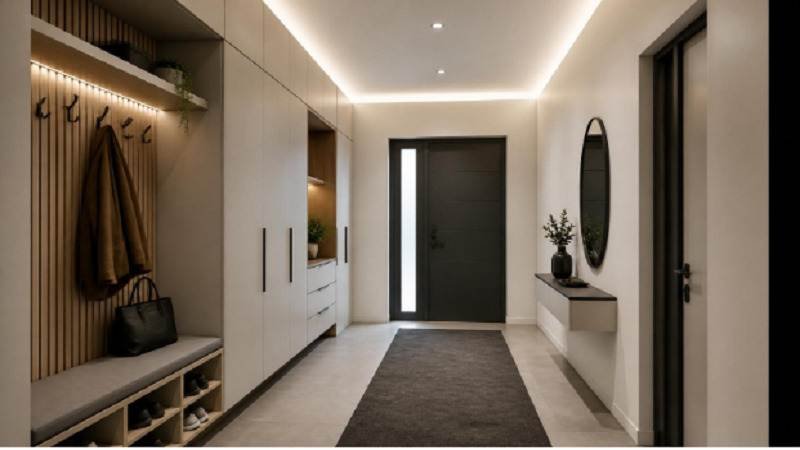
A busy home rarely falls apart in the living room. More often, the first signs of disorder appear right at the door: shoes kicked into corners, school bags dropped in the walkway, coats hanging on chair backs, and keys disappearing exactly when everyone is already late. That is why foyer organization matters more than many homeowners realize.
The entryway is not just a pass-through space. It is the small but powerful zone that manages arrivals, departures, weather changes, work routines, school mornings, grocery runs, and pet walks. When it is designed well, the whole house feels easier to manage. When it is ignored, clutter spreads fast.
Entryway engineering is about creating a hallway that works with real life. It uses practical storage, clear movement paths, and smart habits to support a smoother household kinetic flow every day.
Why the Entryway Needs a System, Not Just Décor
Many people decorate the entryway but forget to design it. A console table, mirror, rug, or vase can make the space look welcoming, but beauty alone will not solve the daily pileup of shoes, bags, mail, and jackets.
A high-efficiency hallway needs a system. That system should answer simple questions:
- Where do shoes go?
- Where do bags land?
- Where are keys, wallets, and sunglasses kept?
- Where do wet items dry?
- Where does dirty sportswear or laundry wait?
- How can people move through space without bumping into clutter?
Good foyer organization begins by accepting how the household actually behaves. If children drop backpacks near the door, build a place for backpacks near the door. If everyone removes shoes immediately, invest in streamlined footwear storage instead of pretending shoes will magically move to a bedroom closet.
The best entryways do not fight daily habits. They shape them.
Understanding Household Kinetic Flow
Every home has movement patterns. People enter, pause, remove items, pick up other items, turn toward the kitchen, head upstairs, or rush back out. This movement is what designers often think of as household kinetic flow.
In a busy home, the hallway has to support motion without creating friction. A poorly planned entryway interrupts movement. A narrow bench blocks the door swing. A shoe pile forces people to step sideways. A cluttered table makes it hard to put down groceries. These small interruptions add stress, especially during mornings and evenings.
To improve household kinetic flow, start by observing your hallway during peak hours. Watch how people actually use the space. Notice where items naturally land. Then design around that behavior.
A strong entryway layout usually includes three zones:
1. The Arrival Zone
This is where people first step inside. It should be open enough for at least one person to stand comfortably while closing the door, removing shoes, or holding bags.
Avoid placing bulky furniture too close to the entrance. If space is tight, wall-mounted hooks, narrow cabinets, or hidden shoe organizers can keep the floor clear without sacrificing function.
2. The Drop Zone
This is the spot for everyday essentials: keys, wallets, mail, dog leashes, sunglasses, and reusable shopping bags. A small tray, drawer, wall basket, or cubby can prevent these items from spreading across the house.
3. The Reset Zone
This is where items are stored, sorted, or prepared for the next outing. It may include smart entryway cubbies, shoe storage, coat hooks, laundry baskets, or a bench. This zone helps the home reset after every arrival.
When these three zones work together, the hallway becomes less chaotic and more predictable.
Streamlined Footwear Storage for Real Homes
Shoes are usually the biggest entryway problem because they are used daily, come in different sizes, and often carry dirt from outside. Without streamlined footwear storage, even a beautiful hallway can look messy within minutes.
The goal is not to hide every pair of shoes in a distant closet. That often fails because people naturally want shoes near the door. Instead, create a storage method that is easy enough to use every day.
Some practical options include:
- Slim shoe cabinets for narrow hallways
- Open shelves for frequently worn pairs
- Pull-out drawers under a bench
- Labeled baskets for children
- Wall-mounted shoe racks for compact spaces
- Seasonal rotation to reduce visible clutter
For homes where visual calm matters, hidden shoe organizers can be especially useful. They keep footwear accessible while reducing the messy look of exposed piles.
The key is to match storage to the household’s pace. If everyone is rushing in and out, closed boxes with lids may be too slow. If the entryway is visible from the living room, open piles may feel too messy. Streamlined footwear storage sits between convenience and appearance.
A helpful rule is to keep only daily-use shoes near the entrance. Everything else should move to bedroom closets, garage shelves, or seasonal storage. This simple habit can cut entryway clutter almost immediately.
Smart Entryway Cubbies: Small Compartments, Big Results
Cubbies work because they give every person or category a clear home. Instead of one shared pile, each family member gets a defined space. This is especially helpful in homes with children, roommates, or busy work schedules.
Smart entryway cubbies can be open, closed, built-in, freestanding, or wall-mounted. The best design depends on the size of the hallway and the type of items being stored.
A practical cubby setup may include:
- One section for each family member
- Lower cubbies for children’s shoes
- Upper baskets for hats and gloves
- Hooks for bags and jackets
- A small charging station
- A mail slot or paperwork tray
The beauty of smart entryway cubbies is that they reduce decision fatigue. People do not have to think about where things belong. They simply use their assigned section.
For a polished look, choose matching baskets or bins. For a family-friendly approach, use labels or color-coded containers. If the hallway is narrow, vertical cubbies can provide storage without taking up too much floor space.
The most effective cubby systems are not necessarily expensive. Even a simple shelf with labeled bins can transform daily routines when it is placed in the right spot.
Designing for Weather, Laundry, and Real-Life Mess
Entryways do not only handle shoes and bags. They also deal with raincoats, muddy socks, gym clothes, umbrellas, pet towels, and wet winter gear. Ignoring these items is one reason foyer organization breaks down.
A high-efficiency hallway should include a plan for moisture and odor. Wet items need airflow. Dirty items need separation. Delicate flooring needs protection.
This is where practical storage choices matter. For example, breathable laundry hampers can be helpful near an entryway, mudroom, or hallway bathroom when the home regularly deals with sports uniforms, damp towels, or outdoor gear. They allow temporary storage without trapping everything in a sealed container.
Other useful additions include:
- A washable entry rug
- A boot tray for rainy days
- Wall hooks for damp jackets
- A small towel basket for pets
- A covered bin for outdoor accessories
- Ventilated baskets for gloves or caps
These details may seem small, but they protect the rest of the home. When the entryway absorbs the mess properly, dirt and clutter do not travel as far.
Foyer Organization for Small Hallways
Small entryways require discipline. There is less room for decorative furniture and almost no room for clutter. But a compact hallway can still be highly efficient if every inch has a job.
The best small-space strategy is vertical design. Use the wall before using the floor. Hooks, floating shelves, slim cabinets, peg rails, and wall-mounted baskets can create storage without blocking movement.
For small foyers, avoid oversized benches unless they include built-in storage. A narrow seat with drawers or a lift-top bench may work better than a decorative chair. Mirrors can also help the space feel larger, but they should not replace functional storage.
A small entryway should focus on daily essentials only. This is where streamlined footwear storage becomes especially important. Keep the number of visible shoes low. Store extras elsewhere. Use narrow furniture and avoid anything that forces people to turn sideways just to pass through.
In compact homes, foyer organization is less about adding more and more storage. It is about choosing the right storage and editing what stays near the door.
Creating a Morning and Evening Routine
Even the best-designed hallway needs a routine. Storage only works when people use it consistently.
For mornings, the entryway should help people leave quickly. Bags should be packed, shoes should be visible, keys should be easy to grab, and outerwear should be in reach.
For evenings, the entryway should help people reset. Shoes go back into storage. Bags return to cubbies. Mail gets sorted. Wet items move to drying spots. Laundry or sports gear goes into the right container.
A simple routine may look like this:
- Empty pockets into a tray
- Place shoes in the assigned storage area
- Hang coats and bags immediately
- Put mail into one sorting spot
- Move dirty or damp items to a ventilated basket
- Reset the bench or floor before bedtime
This daily reset takes only a few minutes, but it protects the whole home from clutter buildup.
Materials and Finishes That Work Hard
An entryway has to tolerate more wear than many other parts of the home. Shoes, bags, moisture, pet paws, and frequent traffic can damage delicate materials quickly.
Choose finishes that are easy to clean and strong enough for daily use. Good options include washable rugs, wipeable paint, durable flooring, metal hooks, sealed wood, and sturdy baskets.
For cabinetry or cubbies, avoid materials that stain easily or warp in damp conditions. If your hallway connects to a bathroom, laundry area, or garage, moisture resistance becomes even more important.
The goal is to create a space that still looks good after real use. A fragile entryway may photograph well, but a durable one will serve the household better.
How to Keep the Entryway from Becoming a Dumping Ground
The biggest risk with any hallway system is that it slowly turns into a storage overflow zone. First, everything has a place. Then extra shoes appear. Old mail stacks up. Bags stay packed with yesterday’s items. Seasonal accessories never move out.
To prevent this, schedule a simple weekly reset.
Check for:
- Shoes that are not used daily
- Old papers or mail
- Bags that need emptying
- Out-of-season hats, scarves, or umbrellas
- Items that belong in bedrooms, closets, or the garage
A well-designed entryway should serve the current week, not store the entire year. This mindset keeps the space light, useful, and easy to maintain.
Smart entryway cubbies also help with this because they make overflow visible. When one cubby becomes too full, it signals that something needs to be removed or reorganized.
Conclusion
Entryway engineering is not about making a hallway look perfect for guests. It is about designing a space that supports the rhythm of everyday life. With thoughtful foyer organization, the entryway can become a calm command center instead of a cluttered drop zone.
The most effective designs focus on movement, habits, and practical storage. Streamlined footwear storage keeps shoes under control. Smart entryway cubbies give every person and item a clear place. A better understanding of household kinetic flow helps the whole space feel smoother and less stressful.
A well-planned entryway saves time, reduces mess, and protects the rest of the home. More importantly, it makes daily transitions feel easier. When the first and last few minutes of the day are more organized, the entire household benefits.
FAQ
What is the best way to improve foyer organization quickly?
Start by removing anything that does not need to stay near the door. Then add simple storage for shoes, keys, bags, and coats. Even a small tray, a few hooks, and a shoe cabinet can make the space feel more controlled.
How many shoes should be kept in the entryway?
Keep only the shoes used most often. For many homes, that means one to three pairs per person. Extra footwear should be stored in closets or seasonal storage to maintain streamlined footwear storage.
Are smart entryway cubbies worth it for small homes?
Yes, especially when space is limited. Smart entryway cubbies help organize items vertically and give each person a dedicated spot. This reduces floor clutter and makes daily routines easier.
How can I improve household kinetic flow in a narrow hallway?
Keep the walking path clear, use wall-mounted storage, avoid bulky furniture, and place daily essentials where people naturally pause. Good household kinetic flow depends on reducing obstacles.
What should every busy entryway include?
A busy entryway should include shoe storage, hooks, a place for keys, a bag drop zone, and storage for weather-related items. The exact setup depends on the household, but the goal is always the same: make leaving and returning home easier.